
The Bigger Shift: Coworking as Infrastructure, Not Trend
Coworking Isn’t Just for Startups Anymore: Who It’s Really For in 2026
For years, coworking spaces have been wrapped in a very specific image: hoodie-wearing founders, whiteboards full of pitch ideas, and the constant hum of “the next big thing.” It was a startup world, and coworking was its natural habitat.
That image is now outdated.
In 2026, coworking has quietly evolved into something much broader—and much more practical. It’s no longer just a launchpad for startups. It’s an essential part of how a wide range of professionals actually work today.
So who is coworking really for now?
Remote Employees Who Need Structure (and Sanity)
Remote work didn’t disappear after the early 2020s—it matured. Many professionals now work fully remotely or in hybrid roles, but the reality has set in: working from home every day isn’t always ideal.
Coworking spaces offer something simple but powerful—separation. A place to focus, take meetings, and feel “at work” without commuting to a traditional office. For remote employees juggling productivity and home life, coworking provides structure without rigidity.
It’s not about escaping home. It’s about choosing where you work best.
Freelancers Who Want Community Without Commitment
Freelancers were early adopters of coworking, but their needs have changed. Today’s independent professionals aren’t just looking for a desk—they’re looking for connection, collaboration, and sometimes just a sense of belonging.
Coworking spaces now function as informal professional networks. Designers meet developers. Writers meet marketers. Opportunities happen organically, without forced networking events.
And importantly, there’s no long-term lease, no overhead stress. Just access when it’s needed.
Corporate Teams Embracing Flexibility
Perhaps the biggest shift: large companies are now active users of coworking spaces.
Instead of maintaining expensive, underused office space, many organizations use coworking hubs for distributed teams, satellite offices, or project-based work. It’s more flexible, often more cost-effective, and aligns with how employees actually want to work.
In this context, coworking isn’t an alternative to the office—it is the office, just decentralized.
Entrepreneurs Beyond the “Startup” Phase
Not every entrepreneur is building a venture-backed startup. Many are running stable, profitable businesses—consultancies, agencies, solo ventures—that don’t fit the stereotypical startup mold.
These professionals use coworking for focus, professionalism, and occasional collaboration. They don’t need incubators or pitch nights. They need reliable Wi-Fi, quiet spaces, and maybe a good coffee.
Coworking has adapted to serve them too.
Career Transitioners and Lifelong Learners
Another growing group: people in transition. Whether they’re changing careers, upgrading skills, or exploring new paths, coworking spaces offer a low-pressure environment to stay productive and connected.
Instead of isolating themselves at home, they place themselves in a setting where work is happening. That subtle shift in environment can make a big difference in momentum and mindset.
People Who Simply Work Better Around Others
Not everything needs a label or job title. Some people are just more productive when they’re around others.
Coworking taps into a basic human dynamic: shared energy. You don’t need to talk to anyone. You don’t need to collaborate. But being in a space where others are focused can help you stay focused too.
It’s not about networking. It’s about atmosphere.
The Bigger Shift: Coworking as Infrastructure, Not Trend
What’s really changed isn’t just who uses coworking—it’s how we think about it.
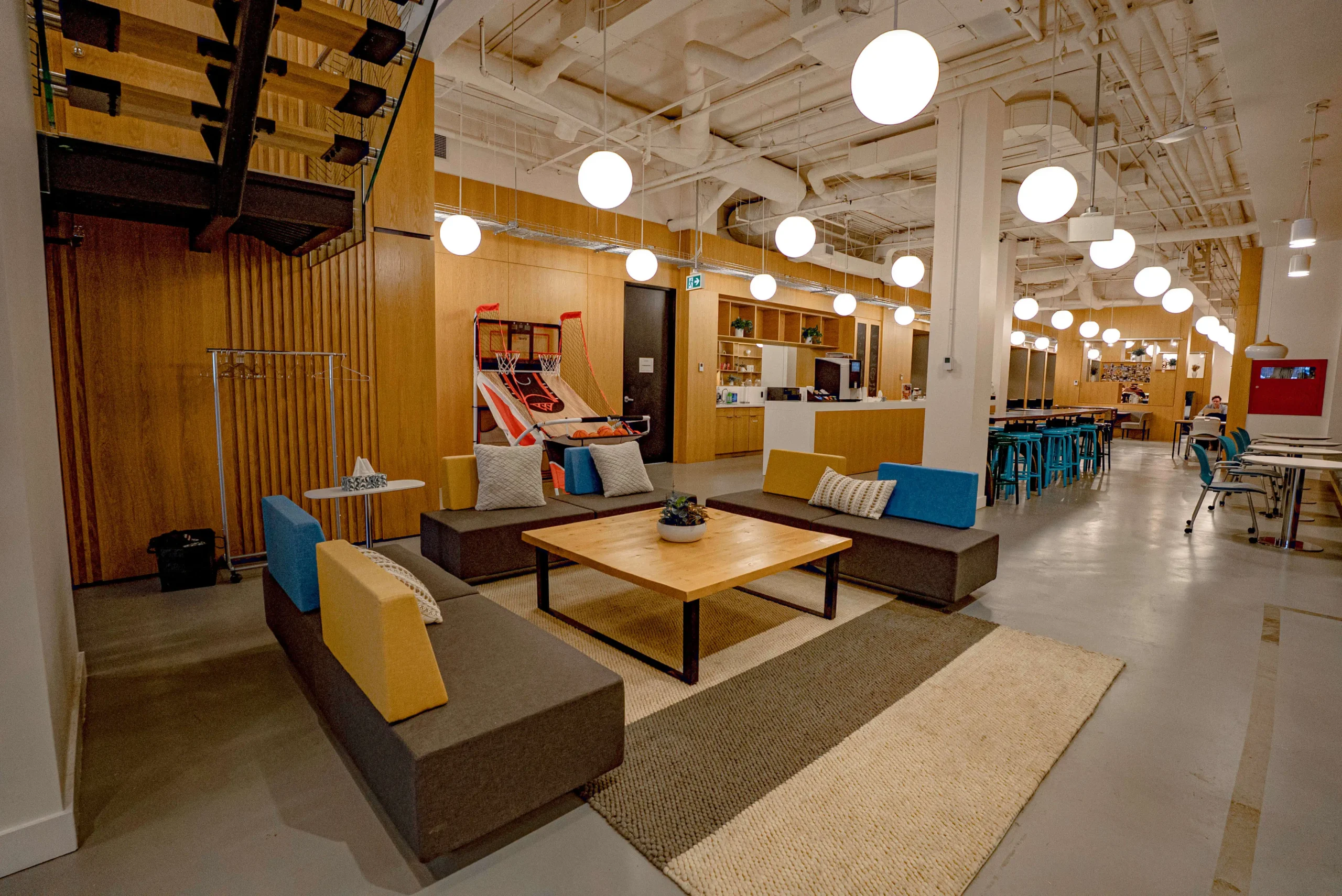
Coworking is no longer a niche or a trend tied to startup culture. It’s becoming part of the core infrastructure of modern work. Just like coffee shops once became informal offices, coworking spaces are now formalizing that need—offering better tools, better environments, and more intentional design.
The outdated question was: “Is coworking right for startups?”
The better question in 2026 is: “What kind of workspace helps you do your best work?”
For a growing number of people, the answer isn’t home. It isn’t a corporate office either.
It’s something in between.
And that’s exactly where coworking thrives.